

Healthy Aging Dictionary
*Selected by AbinoNutra
0 ingredients
NAD+ Booster
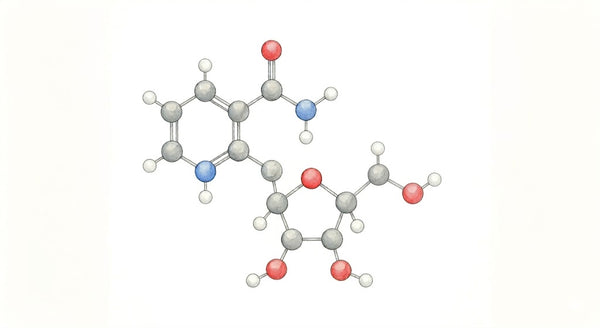
NR
Nicotinamide Riboside
Amount per serving: 250 mg2 AbinoNutra NR capsules/day
NR
Nicotinamide Riboside (NR) is a vitamin B3 derivative and a precursor of NAD+, a key coenzyme involved in cellular energy metabolism, DNA repair, and stress responses. Clinical studies in humans show that NR supplementation can safely increase blood NAD+ levels in a dose-dependent manner. NR is generally well tolerated with mild side effects reported at high doses. Long-term effects and clear therapeutic outcomes in aging-related diseases remain under active investigation.
AbinoNutra Starter choose!
AbinoNutra Starter choose!
✕
NAD+ Booster
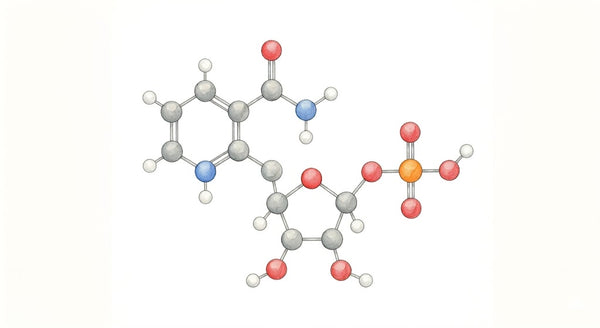
NMN
β-Nicotinamide Mononucleotide
Amount per serving: 300 mg2 AbinoNutra NMN capsules/day
NMN
Nicotinamide Mononucleotide (NMN) represents a major breakthrough in longevity science as a direct precursor to NAD+, a crucial coenzyme involved in cellular energy production, DNA repair, and aging processes. As we age, NAD+ levels naturally decline in various tissues including skin, blood, liver, muscle, and brain, leading to decreased cellular efficiency. Clinical studies demonstrate that NMN supplementation can help address aging-related concerns including oxidative stress, DNA damage, and inflammatory responses.
AbinoNutra Pro choose!
AbinoNutra Pro choose!
✕

Vitamin A
Retinyl Acetate
RDA: Men: 900 µg Women: 700 µgUL: 3000 µg
Vitamin A
Vitamin A is essential for keeping your eyes healthy, especially in low-light conditions, and it helps maintain smooth, glowing skin. This powerful vitamin supports your immune system, helping your body fight off infections. Retinyl Palmitate is a preformed version of Vitamin A, meaning it doesn't need to be converted by the body, which makes it highly bioavailable and efficient. Its antioxidant properties also help protect your cells from damage, promoting overall well-being and vitality.
✕
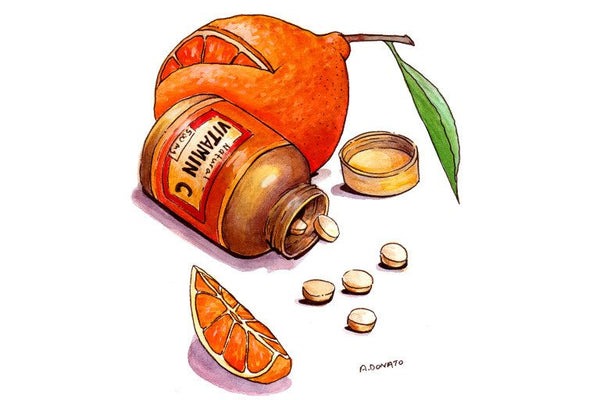
Vitamin C
Ascorbic Acid
RDA: Men: 90 mg Women: 75 mgUL: 2000 mg
Vitamin C
Vitamin C is one of the most important vitamins for your immune system, helping to keep you strong and healthy. Ascorbic Acid is the purest form of Vitamin C, offering superior bioavailability, meaning your body can quickly absorb and use it. This form supports collagen production, vital for healthy skin and wound healing, and also helps protect your body from harmful free radicals as a potent antioxidant. Additionally, it improves iron absorption, supporting energy and overall wellness.
✕
Vitamin D3
Cholecalciferol (D3)
RDA: 15 µgUL: 100 µg
Vitamin D3
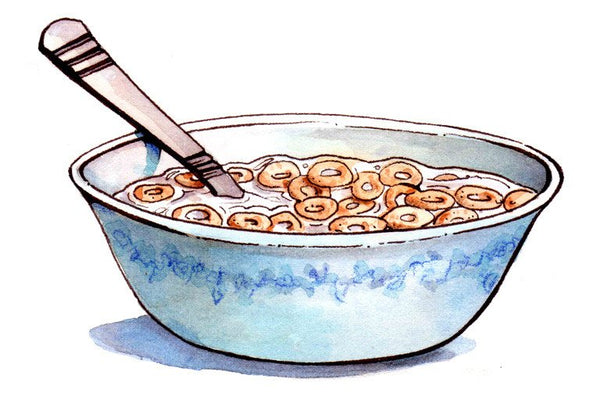
Vitamin D3 is critical for maintaining strong bones, supporting a healthy immune system, and promoting overall well-being by helping your body absorb calcium more effectively. Your bones need calcium to stay strong and your body needs vitamin D to absorb calcium. This is why it’s important to get vitamin D. You can get vitamin D from some foods like fortified milk and cereals, egg yolks, and fish. Your body can also make some vitamin D when you’re exposed to sunlight.
✕
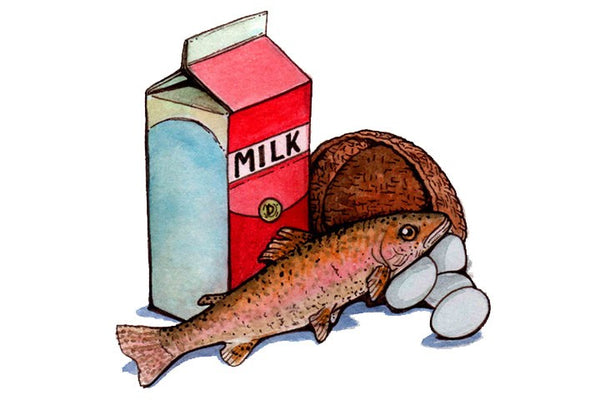
Vitamin B12
Cyanocobalamin
RDA: 2.4 µgUL: Not established
Vitamin B12
Vitamin B12, part of the vitamin B-complex family, refers to the group of compounds that consists of cyanocobalamin, hydroxycobalamin, and related substances. It is essential for normal nerve function, DNA synthesis, hematopoiesis, fatty acid metabolism, and amino acid synthesis in the mitochondria. It also plays an important role in homocysteine metabolism. It is found in meat, fish, dairy products, and fortified cereals.
✕
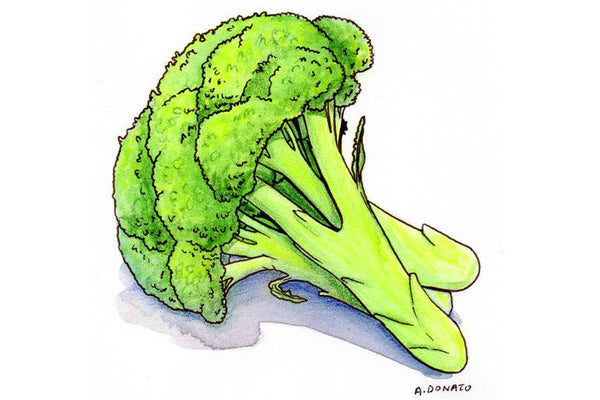
Magnesium
RDA: Men: 410 mg Women: 315 mgUL: 350 mg (from supplements only)
Magnesium
Magnesium is an essential mineral involved in numerous biochemical processes, including adenosine triphosphate (ATP) production, cellular signal transduction, DNA, RNA and protein synthesis, and bone formation. It also helps regulate blood pressure and enzymes such as those that control intracellular calcium and potassium, and is essential for normal heart functioning. The dietary form can be found in many foods, especially dark green leafy vegetables, nuts, legumes, whole grains, fruits, and fish.
✕
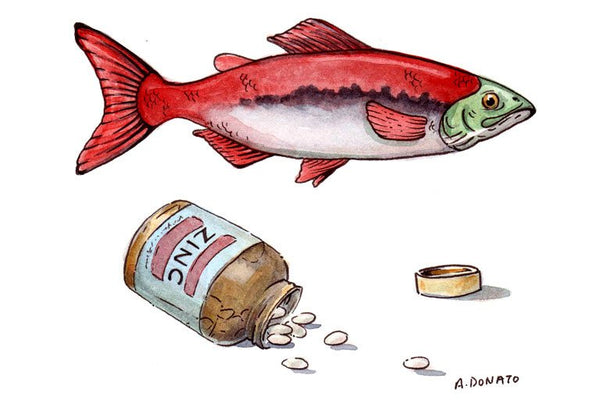
Zinc
RDA: Men: 11 mg Women: 8 mgUL: 40 mg
Zinc
Zinc is an essential element necessary for human physiologic functions including enzymatic reactions, bone formation, and regulation of synaptic signaling. It is thought to have antioxidant and immunostimulant activities, and is used as a dietary supplement to treat the common cold, diabetes, rheumatoid arthritis, warts, and male infertility. Zinc is also an ingredient in some over-the-counter products such as topical creams and denture adhesives. Zinc sulfate is the most studied supplement, but other forms such as gluconate are also marketed for their higher absorption.
✕

Selenium
RDA: 55 µgUL: 400 µg
Selenium
Selenium, an essential dietary trace mineral, is an important component of cellular antioxidant defense systems that include enzymes such as glutathione peroxidase. It also plays an important role in thyroid function. Selenium can be obtained from the diet by consuming whole grains, meats, seafood, poultry, and nuts. It is sold in supplemental form to boost immune function and for disease prevention.
✕

Leucine
2-Amino-4-methylpentanoic acid
Daily requirement (estimated): ~39 mg per kg body weight / dayUL: No established
Leucine
Leucine is an essential amino acid required for muscle growth and maintenance. Leucine is an amino acid that is not made in the human body and is required for muscle maintenance. Therefore, it has to be obtained through dietary sources rich in protein such as dairy, fish, soy, meat, poultry, beans, and eggs. Leucine is also available as a dietary supplement and is used to improve muscle strength and endurance.
✕
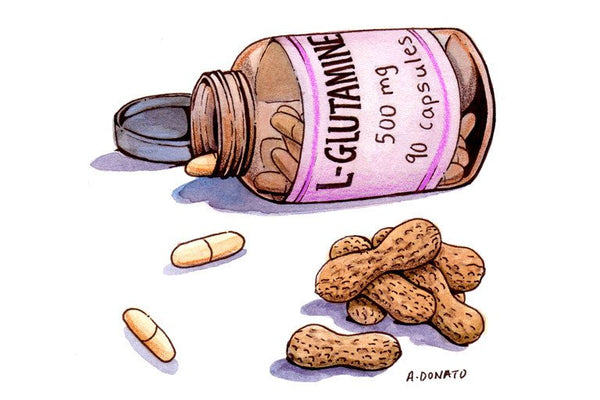
Glutamine
Typical daily intake (dietary + endogenous production): 5–10 g/day (estimated)UL: No established
Glutamine
Glutamine is an amino acid that can be absorbed from food and synthesized and stored, mainly in the muscles and lungs. It is the building block of proteins and a major source of cellular fuel. Although abundant in the body, patients with cancer and AIDS-related cachexia or those recovering from catabolic states such as surgery, sepsis, and intense exercise may need to increase intake. Glutamine is also marketed as a dietary supplement to enhance muscle building, wound healing, and for intestinal and immune system health.
✕
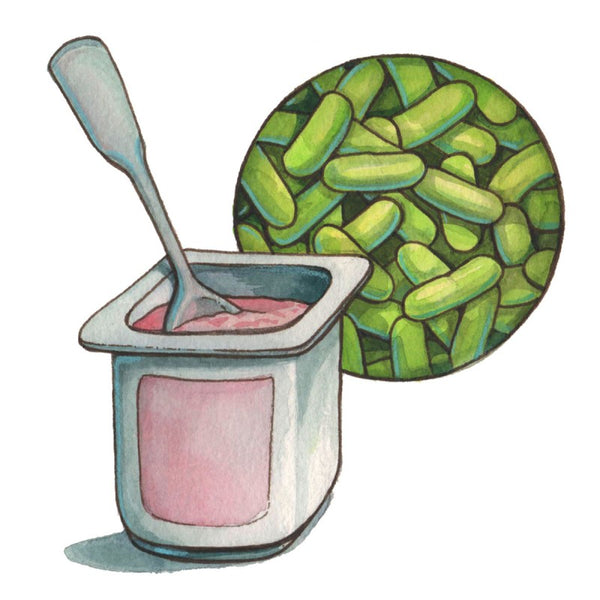
Probiotics
Typical intake: 1–10 billion CFU/day
Probiotics
Most probiotics consist of lactic-acid producing, non-virulent bacteria, such as Lactobacillus, Streptococcus, Bifidobacterium, Propionibacterium and Enterococcus or non-pathogenic yeasts such as Saccharomyces boulardii. Probiotics have gained immense popularity over the last two decades for their perceived health benefits which include improved digestion, immune function and nutrient absorption but the most important being the reversal of dysbiosis that is hypothesized to play a role in the development of several chronic and degenerative diseases.
✕
*Description Reference: Memorial Sloan Kettering Cancer Center / PubMed
RDA (Recommended Dietary Allowance): Daily intake sufficient for most healthy individuals.
UL (Upper Limit): Maximum daily intake unlikely to cause adverse effects
Units are standardized to mg / µg, aligning with modern nutrition labeling practices